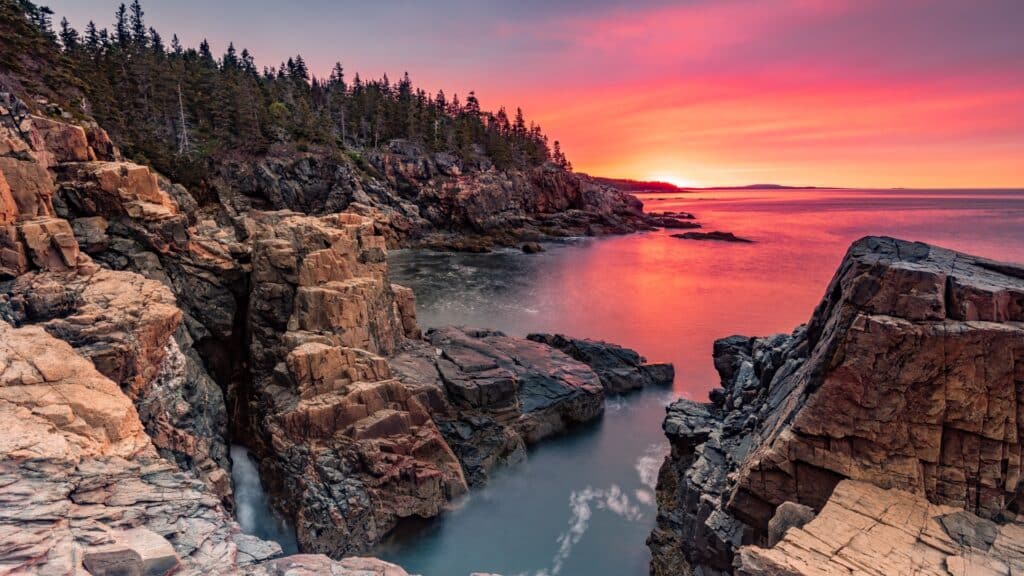
Every Aspect of the Planet is Important to Some Organism
Every year on the first Monday of October, the planet celebrates World Habitat Day. Today, the Shaw Institute would like to take this opportunity to appreciate the beauty around us and the species that make Blue Hill a destination for everyone.
When you Google the definition of a habitat, it is considered “that natural home or environment of an animal, plant, or other organism.” Though this definition may seem broad, it allows you to have a bit of creative interpretation to the meaning. For example, the natural home could mean the whole ocean for a humpback whale, or it could mean the little tidepool that appears during low tide for the periwinkle to wander through. There’s no such thing as a habitat too large or too small, as long as it is a place an organism can call home.
At the Shaw Institute, we love working with the community to find new and creative ways to bring attention to the interconnectedness of the land and sea, and all of the amazing animals that are a part of them. But this goes beyond dong just on World Habitat Day. In Maine, and especially around the Blue Hill Peninsula, there are so many incredible and different habitats that may get overlooked. Sometimes even the smallest rock could be someone or something’s entire world. That is why helping to preserve and conserve the environments around us is so essential. We work to promote conservation efforts and communicate the health of the ocean by studying contaminants in marine mammals that are found right in our backyard.

Every aspect of the planet is important to some organism. Deer and moose depend on the thick forests that weave between the roads we drive on, barnacles depend on the rocks and pebbles you find in Blue Hill Bay, and you depend on the wonderful community that surrounds us. Everything that I just described is a unique habitat that is based on what species need to survive. The Shaw Institute may mainly focus on marine habitats, but we still work hard to advocate for all habitats on land and in the ocean because everything is one big habitat that needs all of our help to stay healthy.
So on this wonderful fall day, we ask that you take a walk in nature somewhere, whether that be on the beach or on a mountain, and listen to the noises around you. Hear the birds chirping, the water rippling over the rocks, or the wind whooshing the leaves over your feet, and simply admire all the habitats that surround you and make Maine the state you love. Maybe think about what may be your favorite type of habitat and what you could do to help protect it.
In case you’re unfamiliar with the Blue Hill area or could just use some inspiration, here are 5 great things that you can do to get out and enjoy your favorite habitat:
- Take a walk with a friend or family member on one of the many Blue Hill Heritage Trust (BHHT) trails located throughout much of the Blue Hill Peninsula.
- Start a nature journal where you can record your observations, thoughts, and feelings while out in nature. If you’ve never nature journaled, here’s a quick link to “How to Start a Nature Journal” Guide by the Sierra Club.
- Grab some binoculars, a bird identification book, and your listening ears and walk around your street to try to identify what birds could be your neighbors. You can borrow bird ID books from your local library or you can download the free Merlin Bird ID app on your phone!
- Explore some tidepools during low tide out in Blue Hill Bay. Though they may not look like much at first glance, in many ways tidepools are like mini forests to the animals that live in them if you look closely. Have you ever seen a snail munching on some seaweed? Or a seastar traversing the rocky terrain? Thanks to the Maine Audubon Chapter, you can read about various coastal habitats found in Maine and the different species you may encounter.
- Pop into the Shaw Institute anytime during the weekday from 9:30am to 3:00pm and chit chat with our amazing team about what their favorite habitats are and why that may be.
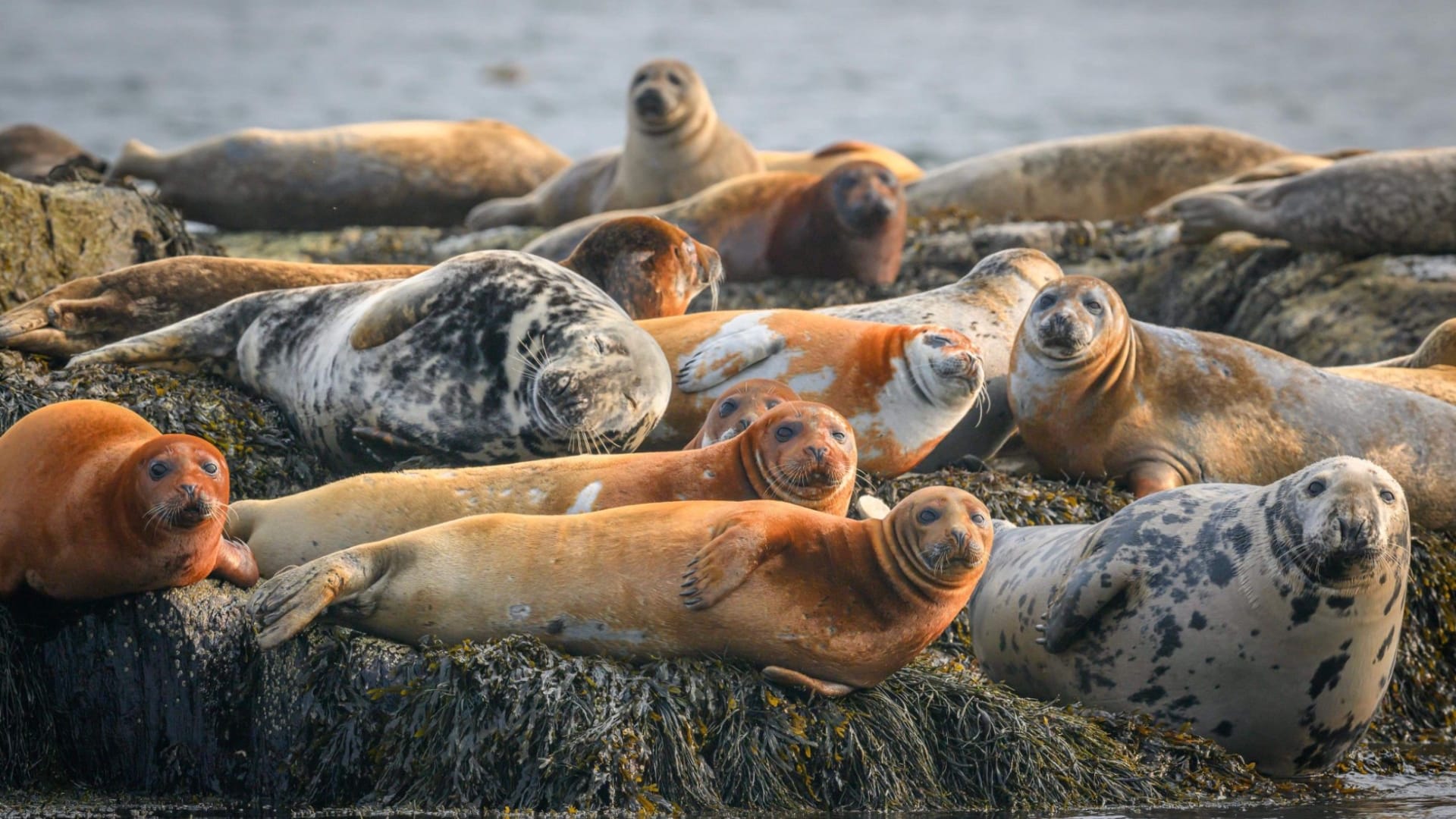
If you’re curious to find out about conservation efforts to protect various habitats, the Wildlife Conservation Society (WCS) is one of many organizations that are dedicated to protecting the biodiversity of habitats around the world. Next month, on One Health Day, we’ll have the opportunity to talk more about the planet as a whole and how all species are connected.
CLICK HERE TO DONATE IN SUPPORT OF THE SHAW INSTITUTE’S NONPROFIT MISSION